
Aron Calvin Vijaykhar
Global Product Manager | Marketing & Brand Management Head
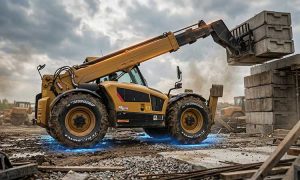
The compact wheel loader (CWL) is the unsung hero of the modern job site. Bridging the gap between skid steers and heavy earthmovers, these versatile machines are seeing a massive surge in popularity across the globe, from the construction sites of the USA to the agricultural fields of Europe.
As we move through 2026, the market for Tyres for Compact Wheel Loader is undergoing a significant transformation. Fleet managers are no longer just looking for “black and round” rubber; they are demanding application-specific performance that maximizes ROI.
Whether you are looking to buy compact wheel loader tyres for a single machine or restocking a rental fleet, understanding these market shifts is critical. In this deep dive, we explore the current demand, pricing dynamics, and essential buyer insights for Industrial Tires for Compact Loader machinery.
Market Growth & Demand Drivers (2026 Outlook)
The global compact wheel loaders market is projected to grow at a steady CAGR of 6.5%, potentially reaching over $5.7 billion by 2032. This boom is directly fueling the demand for high-performance compact wheel loader tyres.
What is driving this surge?
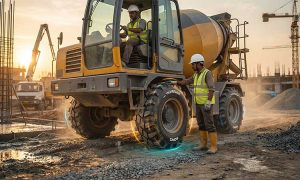
- Urbanization: As construction sites in cities get tighter, the demand for new compact wheel loader tyres is rising. These machines need agile, durable tires that can handle sharp turns on abrasive concrete without tearing.
- Rental Fleet Expansion: Rental companies are the fastest-growing buyer segment. They require all-terrain compact wheel loader tyres that are tough enough to survive “unknown” operators and varied site conditions, from mud to asphalt.
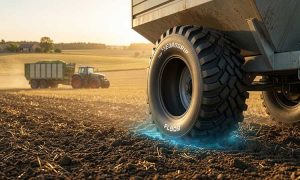
- Agricultural Mechanization: Farmers are increasingly replacing manual labor with machinery. This has spiked the demand for tractor tyres compact wheel loader variants that offer high flotation to protect soft soil while carrying heavy bales or feed.
Radial vs. Bias: The Shift in Technology
For decades, the industry relied on bias-ply technology. However, 2026 is seeing a decisive shift.
Radial Tyres
While bias tires still hold a price advantage, the market is trending towards radial construction. Why? Radial tires run cooler and offer a flatter footprint, which improves traction and fuel efficiency. For operators driving machines between sites (roading), radials are becoming the standard choice to reduce “loping” and operator fatigue.
Bias Tyres
Despite the radial trend, there is still a massive market for used compact wheel loader tyres and new bias options. Bias tires have stiffer sidewalls, making them the superior choice for environments with high puncture risks, such as recycling centers or scrapyards. If you need extreme sidewall cut resistance, a high-ply bias tire often outperforms a radial one.
Pricing Trends
One of the top searches today is for compact wheel loader tyres sale and price comparisons. The price trends off-highway tires 2026 data suggests a widening gap between budget and premium tiers.
- Premium Tires: Major brands are focusing on longevity and “total cost of ownership” (TCO). While the upfront cost is higher, these brand compact wheel loader tyres deliver more hours per dollar, making them ideal for high-usage fleets.
- Budget & Mid-Tier: There is a growing availability of online compact wheel loader tyres from emerging manufacturers. These offer a cost-effective solution for low-hour machines. However, buyers must be wary of “cheap” rubber compounds that may chunk or crack prematurely under heavy loads.
Tip: A radial tire can cost up to 40% more than a bias tire, but can deliver 80% more service life in the right application.
Application-Specific Trends
The days of a “one-size-fits-all” tire are over. Buyers are now searching for specialized treads.
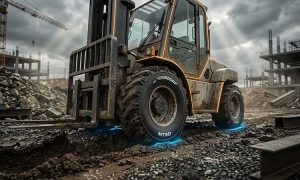
- Mud-Terrain Compact Wheel Loader Tyres: For sites with loose dirt, clay, or slush, deep-lug (L3 or L4) tires with self-cleaning properties are essential to maintain traction.
- Winter Compact Wheel Loader Tyres: In colder regions like Northern USA and Europe, standard rubber hardens and loses grip. Dedicated winter compounds with siping (tiny cuts in the tread) are becoming a safety requirement for snow removal operations.
- White Compact Wheel Loader Tyres: Non-marking tires (often grey or white) are seeing niche demand for indoor applications like warehouses or food processing plants where black tire marks are unacceptable.
Buyer’s Guide: How to Choose the Best Tyre
With so many options, how do you select the best compact wheel loader tyres? Here is a checklist for 2026 buyers.
A. Verify the Size
Always check your machine’s manual. Common size compact wheel loader tyres include 405/70R20 or 365/70R18. Installing the wrong size can damage your drivetrain and void warranties.
B. Match the Tread to the Terrain
- L2 (Traction): Great for soft soil and sand.
- L3 (Rock): The standard for general construction; offers a balance of traction and rock resistance.
- L4/L5 (Deep Tread): The go-to industrial tires for compact loader use in severe environments like quarries. They offer maximum protection but generate more heat.
C. Check the "Star" or Ply Rating
Don’t just look at the size; look at the load capacity. A compact wheel laoder lifting heavy pallets of stone needs a higher load index than one pushing light snow. Ensure the tire’s ply rating matches your heaviest potential load.
Where to Buy the Best Compact Wheel Loader Tyres
The trend of searching for USA compact wheel loader tyres and buying directly online is reshaping distribution. Fleet managers prefer the convenience of browsing specs and reviews compact wheel loader tyres digitally before ordering. However, for bulk orders or specialized fitments, consulting with an expert dealer (like TVS Eurogrip distributors) remains the safest bet to ensure compatibility.
Conclusion
The market for compact wheel loader tyres in 2026 is defined by specialization. Whether you need a rugged mud-terrain compact wheel loader tyre for a muddy construction site or a durable radial for road work, the options are better than ever.
Don’t let a flat tire stall your progress. Invest in quality rubber that matches your specific application. Ready to upgrade? Explore the TVS Eurogrip range of OHT solutions today.
Frequently Asked Questions (FAQs)
What is the difference between L3 and L5 compact wheel loader tyres?
An L3 tire has standard tread depth and is suitable for general construction. An L5 tire is an extra-deep tread industrial tires for compact loader design, offering maximum cut resistance and longer wear life in harsh environments like recycling yards or quarries.
Can I use tractor tyres on a compact wheel loader?
While some sizes overlap, it is not recommended. Tractor tyres compact wheel loader substitutions often lack the reinforced sidewalls needed to handle the dynamic side-to-side loads of a loader bucket, leading to instability or blowouts. Always use tires rated for “Loader/Dozer” service.
Are radial tires better than bias tires for compact loaders?
It depends on the job. Radial tires are the best compact wheel loader tyres for machines that travel long distances or work on hard surfaces, as they offer operator comfort and heat resistance. Bias tires are better for stationary stability and resisting sidewall cuts.
Where can I buy compact wheel loader tyres online?
Many industrial tire dealers now offer online catalogs. You can search for buy compact wheel loader tyres to find local distributors. Ensure you verify the size compact wheel loader tyres and ply rating before checkout.
Do I need winter tyres for my loader?
If you operate in snow or ice, yes. Standard construction tires can become hard and slippery in freezing temperatures. Winter compact wheel loader tyres use special compounds and tread siping to provide grip and safety on icy surfaces.
What is the benefit of a "white" or non-marking tire?
White compact wheel loader tyres (non-marking) are used in indoor environments, such as factories or warehouses, to prevent leaving black rubber scuff marks on finished floors. They are a niche but essential industrial tires for compact loader category.