
Jed Soar
European Director - Technical Services & Product Performance
The agricultural sector is highly susceptible to weather fluctuations, which directly influence farm productivity and, consequently, farmers’ purchasing decisions. For suppliers serving the farming industry, understanding how weather conditions shape these decisions is vital. A clear example is how a wet season with low yields might shift farmers’ spending focus—from investing in capital equipment to replacing consumables like tyres. This article explores these dynamics and highlights the need for industry players to monitor seasonal variations closely to better anticipate demand.
Weather and Its Direct Impact on Farming Operations
Weather conditions significantly determine farming success, influencing yields, crop quality, and soil health. For instance, excessive rainfall during planting or harvesting seasons can lead to waterlogged fields, delayed operations, and reduced yields. Conversely, drought conditions can hinder crop growth, leaving farmers with smaller harvests and tighter budgets.
Farmers’ purchasing patterns are closely tied to these outcomes. In prosperous seasons with favorable weather and high yields, farmers are more likely to invest in long-term, high-cost capital equipment such as tractors, combine harvesters, and precision farming technology. However, adverse weather seasons often lead to budget constraints, pushing farmers to prioritize immediate operational needs over significant capital expenditures.
Key Impacts on Purchasing Patterns
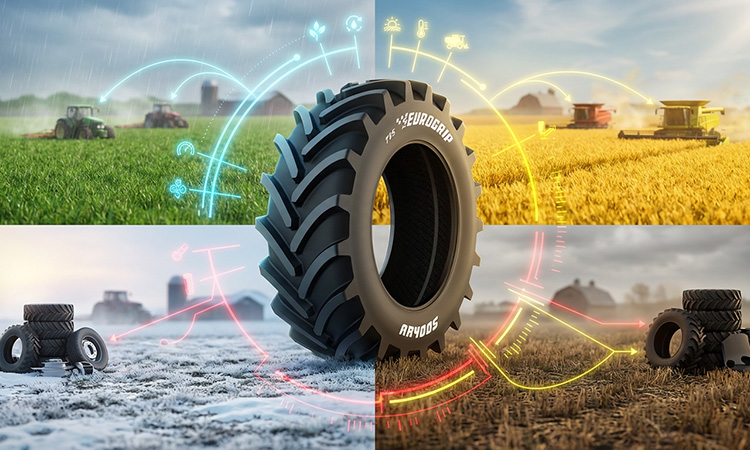
The impact of weather on farming extends far beyond yields; it dictates what farmers buy and when. During favorable conditions, high yields often trigger investments in new machinery, precision systems, and speciality agriculture tyres for improved productivity. But during adverse seasons marked by excessive rain, drought, or frost, farmers reallocate budgets toward essentials such as efficient tyre change, spare parts, and machinery maintenance during wet seasons.
This shift in spending reflects a deeper trend: weather directly influences agriculture demand forecasting and the agricultural supply chain. A wet season increases traction problems, leading to higher wear rates and more frequent Fix or Replace Farm Tyres decisions. Conversely, a prolonged dry spell slows field operations but raises maintenance costs due to heat and hard soil stress on tyres.
Recognizing these cyclical purchase behaviors helps suppliers anticipate weather-driven demand shifts and manage seasonal demand planning for agri-suppliers more efficiently. Those who adapt quickly with flexible inventory, localized distribution, and responsive pricing gain a significant edge in volatile agricultural markets.
Wet Seasons and the Case for Tyre Replacement
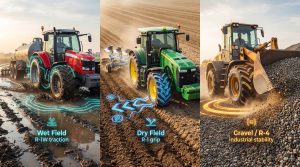
Wet seasons exemplify this shift in priorities. Saturated soils increase the wear and tear on machinery tyres, especially during planting and harvesting. Tractors and harvesters struggle for traction in muddy conditions, accelerating tyre degradation. As a result, farmers facing low yields after a wet season may forego purchasing new machinery but still invest in essentials like tyre replacements to ensure operational continuity.
This tendency highlights a critical insight: during challenging seasons, consumable items like tyres and spare parts become immediate priorities over larger capital investments.
Industry Implications: The Need to Monitor Seasonal Variations
The agricultural supply chain must recognize these patterns and adapt accordingly. A reactive approach—producing or stocking products based on immediate sales data—is no longer sufficient. Instead, companies must implement proactive measures:
1. Close Monitoring of Agricultural Trends
By tracking weather forecasts, crop yields, and farming calendars, industry players can anticipate farmers’ needs. For example, an unusually wet planting season signals increased demand for tyres, spare parts, and other consumables in the following months.
2. Collaboration with Farmers and Industry Stakeholders
Establishing open communication channels with farmers can help suppliers gain real-time insights into their challenges and priorities. For instance, surveys and on-ground assessments can identify equipment stress points resulting from specific weather conditions.
3. Data-Driven Demand Forecasting
Leveraging historical weather data and purchasing trends allows suppliers to model and predict demand more accurately. Machine learning and predictive analytics can be powerful tools to refine these forecasts.
4. Flexibility in Inventory Management
Seasonal variations necessitate adaptable supply chains. Ensuring flexible inventory levels for consumables and essential items, such as tyres during wet seasons, can prevent stockouts and improve customer satisfaction.
Adapting Strategies to Weather-Driven Demand Shifts
For suppliers to thrive in the agriculture sector, aligning strategies with weather-driven demand shifts is essential. Companies that fail to account for the influence of weather on purchasing patterns risk missing opportunities or overproducing less relevant products. Conversely, businesses that actively monitor and adapt to these shifts can build stronger relationships with farmers and maintain consistent revenue streams.
The case of tyre replacement following wet seasons illustrates how even modest adjustments in focus can yield significant benefits. By proactively addressing farmers’ immediate needs during adverse weather, suppliers can secure loyalty and position themselves as indispensable partners in their customers’ success.
The Connection Between Agriculture and Climate Change
As global temperatures rise, weather and agriculture are becoming increasingly intertwined. Irregular rainfall, delayed monsoons, and unseasonal heatwaves now alter planting cycles, crop yields, and farming equipment demand. For tyre manufacturers and distributors, this translates into unpredictable sales patterns and changing product requirements.
Climate change also affects tyre pressure performance. Fluctuating ambient temperatures can distort recommended settings, influencing traction, wear, and agriculture tyre safety. To mitigate risks, farmers are moving toward speciality agriculture tyres designed for broader operating ranges and improved soil protection.
On the supply side, businesses must adopt data-driven demand planning in agriculture, combining real-time weather analytics with historical sales data. This proactive approach enhances weather-based inventory management, ensuring that both agricultural tyres and consumables in farming operations are available where and when they’re needed most.
In this era of climatic uncertainty, collaboration with farmers and suppliers is no longer optiona,l it’s central to agricultural business resilience.
Conclusion: Building Resilience in the Supply Chain
Weather will remain a constant, unpredictable variable for the agricultural sector. However, by closely monitoring its impacts and integrating these insights into their operations, suppliers can turn challenges into opportunities. Accurate demand forecasting, informed by weather patterns and farmers’ behavioral trends, is no longer a luxury but a necessity.
The industry must recognize that seasonal variations are not just an agricultural challenge but a business reality. By staying attuned to the ever-changing needs of the farming community, companies can ensure long-term sustainability and success—rain or shine.
Frequently Asked Questions (FAQs)
How does weather affect agriculture and farmers’ purchasing patterns?
Weather changes soil conditions, crop yields, and field accessibility, all of which shape what farmers buy, from agriculture tyres to machinery and consumables.
Why do wet seasons increase demand for tyre replacements?
In wet soil, machinery traction decreases and tyre slippage rises, accelerating tread wear. Farmers focus on efficient tyre change and tyre replacement in agriculture after such seasons.
How do suppliers forecast agricultural demand based on weather?
Using agriculture demand forecasting and weather-based inventory management, suppliers analyze rainfall data, crop yields, and temperature trends to predict product needs.
What role does climate change play in farming operations?
Climate change intensifies seasonal variations in agriculture, leading to unpredictable yield cycles and fluctuating farming equipment demand across regions.
How can businesses maintain resilience during extreme weather?
Through collaboration with farmers and suppliers, flexible inventory systems, and data-driven demand planning in agriculture that adapts to each season’s specific conditions.
Which tyre types are best for changing weather conditions?
Speciality agriculture tyres and VF-rated models maintain performance across temperature swings and soft ground, improving traction, comfort, and agriculture tyre safety.