
Aron Calvin Vijaykhar
Global Product Manager | Marketing & Brand Management Head
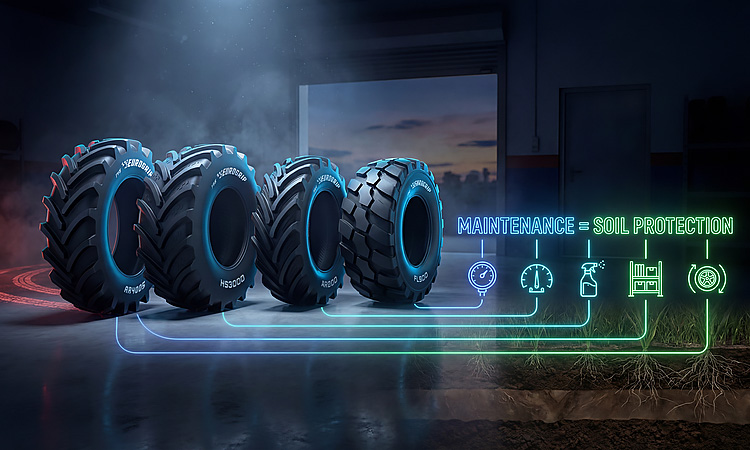
Tyres are not accessories on any farm; they are the keys to productivity. The performance of a tractor, the productivity of a harvester, or the stability of an implement all hinge on the condition of tyres. The consequences of not taking care of tyres lead to increased costs, wastage of fuel, and sudden downtimes. More to the point, the compaction of soil by worn or badly-maintained tyres can decrease long-term yields.
We understand that farmers require sound solutions at TVS Eurogrip OHT. This is why our agriculture range (between 600 and 45 radials) and our flotation tyres (FL 09) are performance and durability-oriented. Even the best tyres deliver optimal results with proper maintenance. In this farm tyre care guide, we share practical, proven tractor tyre maintenance tips that help farmers extend tyre life, protect soil, and maximise profitability.
Why Tyre Maintenance Is Critical for Farming Operations?
All farmers spend a lot of money on equipment, but when an item malfunctions, the tyres are always neglected. Tyres make machines grounded, they bear loads, give traction, and safeguard the structure of the soil.
Failing to take care of tyres may result in early wear, increased fuel consumption, uneven tread, and poor soil quality. Early replacement of tyres is more expensive, and a lack of traction in the season hinders operations.
Link to Soil Health & Yield
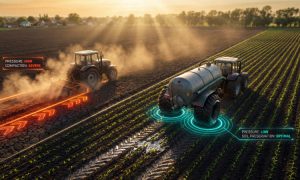
Healthy tyres spread the load uniformly, thereby reducing ground pressure. Underinflated, overloaded, or damaged tyres compress the soil, limiting root growth and water uptake. Frequent tyre inspection has a direct impact on soil conservation and production.
Tyre Costs vs Replacement Costs
Preventive treatment is merely a matter of time and discipline. Major financial losses occur when a set of tractor tyres is replaced too soon. Diligent servicing ensures every tyre goes through its lifecycle as intended, achieving the optimum ROI.
Top 10 Tyre Maintenance Tips for a Thriving Farm
Below are 10 detailed tips to maintain agricultural tyres. Every step will lead to easier operations, lower costs, and healthier fields.
1. Check and Adjust Tyre Pressure Regularly
The direct influence on performance is related to tyre pressure. Tyres that are underinflated slide more, consume more fuel, and wear out, whereas those that are overinflated compress the soil and destroy the structure. Always measure pressure when the tyres are cold, preferably every morning before going to work.
Apply the manufacturer’s recommendations on load and application. For low-compaction tyre maintenance, correct inflation is the most crucial factor. The radial line of TVS Eurogrip OHT, such as AR 600, is better when used under optimal pressure.
2. Inspect Sidewalls, Lugs & Bead Area for Damage
Under harsh conditions, farm tyres have to endure sharp stones, stubble, and debris, which may compromise their walls and beads. Even minor incisions may swell up when strained, leading to the loss of safety.
A visual checkup should be conducted weekly to identify any cracks, bulges, or objects embedded at an early stage. Preventive checks minimize the chances of a sudden breakdown during critical operations.
3. Align & Balance Wheels
The unaligned wheels cause lop-sided wear, loss of traction, and an increase in fuel expenses. Balancing avoids vibration in both the tyre and the machinery.
In the event of steering drift or abnormal tread wear, have the wheels realigned. Correct alignment prolongs the life of tyres and eliminates the load on the axles and suspension.
4. Avoid Overloading Equipment
Every tyre has a load rating. Going above it generates heat, undermines the carcass, and results in quick wear. The tyres are also overloaded, making the soil compact and leaving uneven furrows.
Consider following the load instructions on the TVS Eurogrip OHT product sheets and web pages. Be it implementing tyres, such as the IM 108, or the flotation tyres on trailers, remaining within capacity is what keeps the safety and longevity intact.
5. Control Driving Speed, Especially On Roads
Agricultural tyres are intended to be used in a mixed environment. However, high-speed travel on roads produces excessive heat and causes tyres to break down quickly. The speed index of your tyre should be respected at all times.
For tractors equipped with TVS Eurogrip OHT AR 800 tyres, moderate road speeds provide durability, coupled with good field traction. Controlled speed is a key part of preventing tyre wear in farm equipment.
6. Clean & Remove Debris After Field Use
Tyres that have been used in the field might have stones, mud, or crop residues stuck in between the lugs after a long day’s work. This debris results in abrasion, imbalance, and concealed punctures.
Cleaning tyres after use is an essential part of a farm tyre care guide. Only simple washing can be used to avoid long-term harm and maintain the traction.
7. Proper Storage When Not in Use
Without use, equipment should be kept in a good state to keep tyres safe. UV rays, ozone exposure, and moisture degrade rubber. Machinery should always be kept in a shady, dry location.
When removing tyres, it is important to keep them in an upright position with no oil or chemicals around. Long storage should be slightly deflated. Storing habits are beneficial for reducing cracking and extending longevity.
8. Monitor Tread Depth & Uniform Wear
Tread depth depends on grip, particularly in wet or loose conditions. Take tread gauges periodically to measure wear. Non-uniform wear is a sign of inflation, alignment, or loading problems.
Timely replacement of tyres eliminates accidents and keeps the machinery running at high efficiency. Tyres that are worn have even greater slip, besides consuming fuel and further compacting soil.
9. Ballasting & Weight Management
The right ballast enhances traction, whereas excess ballasting creates undue stress to tyres. Excessive weight enhanced rolling resistance and accelerated wear.
The radials offered by TVS Eurogrip OHT, such as the AR 4005 Radial, provide better traction without requiring excessive use of additional ballast. Managing weight properly is a smart way to maintain agricultural tyres for longer life.
10. Scheduled Professional Checkups
Some problems can not be identified at a glance. Professional cheques detect concealed damage, including separation of belts or casing.
Arranging seasonal checkups before planting and harvesting times will help ensure that tyres are fit to handle optimal workloads. Collaborating with licensed service providers is likely to yield reliable results in the long term.
Which TVS Eurogrip OHT Tyres Respond Best to Care?
The advantages of the use of TVS Eurogrip OHT tyres are increased by proper maintenance.
Low-Compaction Radials & Bias (AR 4005, AR 600)
These types of tyres are designed to minimise ground pressure, guarding the soil structure. Frequent pressure checks and even loading keep them at their peak performance.
Flotation & High-Volume Tyres (FL 909, FL 09)
Larger footprints reduce stress in the soils during wet periods or sandy soils. When flotation tyres are properly maintained through cleaning and proper storage, they have a long lifespan and safeguard fragile fields.
Implement Tyres (IM 72, IM 108)
They are capable of bearing trailers, balers, and sprayers. Their casings will remain strong by preventing overloading and regular inspections.
How Often Should You Perform Tyre Maintenance?
Working on a farm is seasonal, and maintenance of tyres should be regular. Checking of pressure should be done daily, checking of visual inspection every week, and full service checking at least once a season. Cheques should be undertaken more often during peak operations.
The proper use of a disciplined maintenance programme can guarantee that your tyres will perform optimally whilst preserving your soil. Farmers who follow these tractor tyre maintenance tips save money, reduce downtime, and get maximum return on their investment.
Conclusion
Tyres are the key to the success of the farms; they pull the loads, preserve the soil, and define the efficiency. Following a structured farm tyre care guide is not just about extending tyre life, but also about improving yields and conserving soil.
In the case of TVS Eurogrip OHT, we design tyres that provide unmatched performance coupled with proper maintenance practices. From low compaction tyre maintenance to simple steps like cleaning and storage, every action counts. When you maintain agricultural tyres properly, you prevent unnecessary costs, reduce compaction, and secure long-term farm profitability.
Take a closer look at the entire line of TVS Eurogrip OHT farm tyres and collaborate with us in the development of a successful, long-term farm.
Frequently Asked Questions (FAQs) on Alignment in Agriculture
What is the frequency of checking the tractor tyre pressure?
Tyre checking must be done on a daily basis and preferably in the morning, before going to work. Regular inspections will make fuel usage less wasteful and wear less prematurely.
Are there minor cuts or cracks to tyres that can be repaired?
The shallow cuts can be repaired, but more serious cracks or protrusions are to be changed as soon as possible to provide field safety.
What causes uneven tyre wear?
Misalignment, improper inflation, or unbalanced loads tend to cause uneven wear. The early remedy of such problems extends the life of the tyre.
Does tyre storage really matter?
Yes. Rubber ageing is hastened either by exposure to sunlight or ozone or by exposure to moisture. When tyres are stored in a shaded and dry area, their service life is increased.
Is a professional tyre inspection necessary?
Absolutely. Professional checks can detect hidden structural issues that farmers cannot see, helping prevent unexpected failures.