
Aron Calvin Vijaykhar
Global Product Manager | Marketing & Brand Management Head
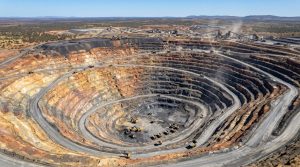
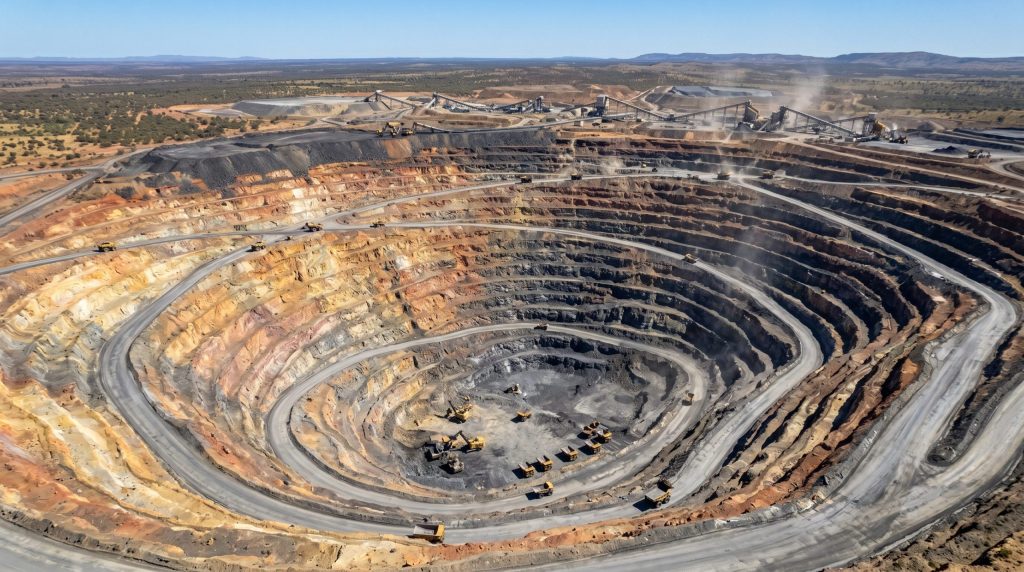
Mining in India is a massive, incredibly tough business. When valuable resources like coal or iron ore sit close to the surface, companies do not dig small, dark tunnels. Instead, they use a method called open-cast mining. This means they simply remove the entire top layer of the earth. They blast away the hills, scrape away the dirt, and create a giant, stepped crater in the ground. Because the scale of the job is so massive, the machines required to do the work must be gigantic.
However, tearing the roof off the earth creates severe open‑cast mining equipment Challenges. The environment inside one of these massive craters is hostile to metal and rubber. The dust is thick, the rocks are razor-sharp, and the daily payloads are unbelievably heavy. To succeed in this brutal landscape, site managers must deeply understand how their iron machines interact with the broken earth. This complete guide will explore the specific hazards of the surface pit.
The Scale of the Open Pit
To understand the problems, you must first understand the job. In the vast coal fields of Jharkhand or the massive iron ore pits of Odisha, the work never stops. Before you can reach the valuable ore, you must remove the useless dirt and rock sitting on top of it. This useless rock is called “overburden.”
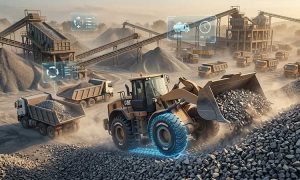
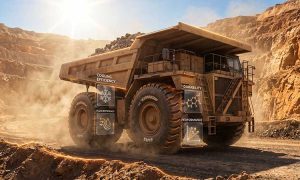
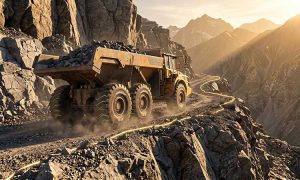
Moving millions of tons of overburden requires a fleet of heavy mining equipment. You will see giant wheel loaders with buckets as large as small houses. You will see massive rigid dump trucks that weigh over a hundred tons when fully loaded. These machines do not drive on smooth, paved highways. They drive on temporary dirt ramps that spiral deep down into the massive crater. These dirt ramps are steep, uneven, and constantly changing as the pit gets deeper.
This specific environment creates unique open‑cast mining equipment problems. The machines are pushed to their absolute mechanical limits every single hour of the day. If a site manager does not understand these limits, the machines will simply break apart under the extreme stress.
Operating inside a giant crater exposes your fleet to three major physical threats. These threats specifically attack the most vulnerable part of your machinery: the black rubber tyres.
The Threat of Jagged Blast Rock
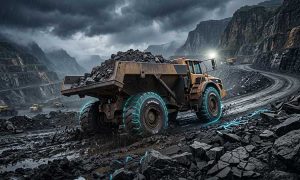
In an open-cast mine, explosives are used daily to break the solid earth into smaller pieces. This blasting process creates millions of jagged, razor-sharp rocks. As your mining equipment drives over these fresh rocks, the stones act like sharp knives. If a truck uses standard, weak tyres, the rocks will slice the rubber completely open. This slicing action can chunk away large pieces of the tyre tread, leaving the internal casing exposed and useless.
Extreme Payload Stress on the Ramps
The haul ramps inside the pit are incredibly steep. When a massive dump truck drives down into the pit, it is empty. When it drives back up to the surface, it carries up to one hundred tons of heavy rock. Pushing that massive weight up a steep dirt hill requires incredible engine torque and massive tyre grip. If the tyres slip and spin on the loose gravel, they will grind against the rocks and wear out instantly. The tyres must safely carry this extreme payload without bursting under the heavy pressure.
The Trap of Severe Heat
An open-cast pit acts like a giant bowl, trapping the hot Indian summer sun. There is very little wind at the bottom of the crater. When you combine ambient heat with the massive heat generated by heavy diesel engines, temperatures reach extreme levels. As the heavy trucks drive for miles under these conditions, the internal temperature of the rubber tyres skyrockets. If the heat cannot escape, the tyre will separate from the inside and explode, causing a dangerous and expensive accident.
The Cost of Sudden Machine Failures
When you run a massive quarry, your profit depends entirely on volume. You must move a specific number of tons every single day to make money. This makes equipment reliability in open‑cast mines the most important metric on your site.
If a massive dump truck blows a tyre while driving up the single, narrow dirt ramp out of the pit, a disaster happens. That broken truck completely blocks the road. The loaded trucks behind it cannot pass. The empty trucks on the surface cannot drive down. The giant excavators at the bottom of the pit have no empty trucks to fill, so they must turn off their engines. One single tyre blowout can cause severe unplanned downtime in open‑cast mining.
Fixing this problem is not easy. You cannot simply tow a hundred-ton machine out of the way. A special repair crew must travel down into the dusty pit and change the massive tyre on the side of a dangerous dirt hill. Furthermore, finding replacement mining equipment parts quickly is very difficult. A blown tyre might mean the truck sits idle for days while you wait for a delivery. Preventing the failure before it happens is the only way to protect your business.
Daily Maintenance Rules for the Pit
Because the stakes are so high, you must master heavy equipment maintenance in open‑cast mines. You cannot wait for a machine to break; you must inspect it constantly. Overcoming the daily maintenance challenges in open‑cast mining equipment requires a strict routine.
Maintenance Task | When to Do It | Why It Matters for the Fleet |
|---|---|---|
Cold tyre Pressure Checks | Every morning before sunrise. | Ensures the tyre can handle the massive payload without overheating or bending. |
Visual Tread Inspections | After every driver shift change. | Catches small cuts from sharp rocks before they grow into massive, explosive tears. |
Haul Road Grading | Continuously throughout the day. | Smooths out the sharp rocks on the ramp, saving the truck tyres from severe abrasion. |
Radiator Cleaning | Every evening after work | Blows the thick mine dust out of the engine cooling system, preventing the engine from melting. |
The ultimate way to beat the brutal hazards of an open-cast pit is to equip your machines with heavy armor. TVS Eurogrip OHT builds premium, severe-duty tyres specifically engineered for the extreme weight and abrasive rocks of the Indian mining sector. Our tyres use highly cut-resistant rubber mixtures and massive tread depths to ensure your machines stay on schedule. Here are the top TVS Eurogrip OHT choices for surface operations.
Rigid dump trucks are the undisputed kings of the open-cast pit. They haul the heaviest payloads up the steepest ramps. The EM 18 is designed specifically for these massive, rigid-frame trucks. It features a highly reinforced nylon casing that safely supports unimaginable weight. More importantly, the specialized tread design runs extremely cool. It prevents the massive tyre from melting inside when driving heavy loads up long, hot dirt ramps during the peak of summer.
A massive dump truck cannot operate if the giant wheel loader feeding it breaks down. The EM 27 L-3 is an exceptional tyre built specifically for heavy earthmoving loaders. A loader must constantly spin, reverse, and scrape its tyres aggressively against the sharp rock face to scoop up the ore. This tough tyre survives that constant, violent, abrasive friction, ensuring the loader never stops feeding the haul trucks.
During the heavy Indian monsoon season, the dust in the open-cast pit turns into a thick, slippery sludge. For this weather, sites use articulated dump trucks. The EL 09 is the perfect tyre for these flexible machines. It features a deep, aggressive tread pattern that acts like a shovel. It bites firmly into the soft, wet mud, pushing the heavy truck forward and keeping the wheels from spinning uselessly on the slick haul roads.
For intense surface mining and demanding deep earthmoving tasks, the IL 09 provides massive durability. It is built to withstand extreme rock hazards and heavy payloads. The deep, aggressive tread blocks provide massive traction on loose, dry gravel. Stopping wheel slip is the absolute best way to prevent rapid friction wear against the sharp stones, saving you thousands of rupees in early tyre replacements.
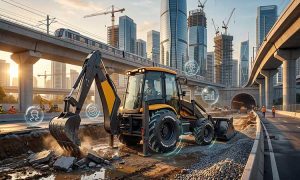
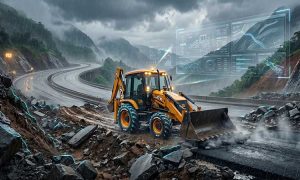
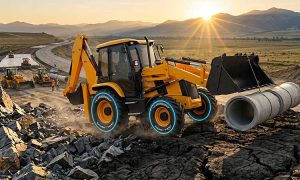
Even in a massive open-cast pit, smaller machines like backhoe loaders are necessary. They clear small rock falls from the main haul roads and dig drainage trenches to keep the pit dry. The BL 54 JUMBO provides severe-duty protection for these essential utility machines. It features a super-deep L-4 tread depth. The massive blocks resist cutting and chipping by sharp scrap rock, keeping the support machines completely safe from sudden flat tyres.
Conclusion
An open-cast mine is a chaotic, massive, and incredibly harsh workplace. You are asking your iron machines to move entire mountains of solid rock under the hot Indian sun. The true challenges for mining equipment in these environments come from the relentless abrasion of sharp stones and the extreme stress of heavy payloads.
The smartest choice you can make is to equip your heavy loaders and massive dump trucks with premium TVS Eurogrip OHT tyres. Their heat-resistant compounds and thick, cut-resistant treads provide the ultimate defense against the broken earth. Choose TVS Eurogrip OHT today, stop your expensive downtime, and keep your mining operation moving at full speed.
Frequently Asked Questions (FAQs)
What are the main open‑cast mining equipment challenges?
The biggest challenges are extreme abrasion from sharp blasted rocks, massive payload stress when driving up steep dirt ramps, and severe heat buildup inside the machine components.
Why is equipment reliability in open‑cast mines so critical?
If a single massive dump truck breaks down on the narrow dirt ramp leading out of the pit, it blocks all other trucks. This stops the entire mining operation, costing the company significant time and money.
How do sharp rocks cause unplanned downtime in open‑cast mining?
Blasted rocks act like sharp knives. If a machine drives over them with standard tyres, the rocks will slice the rubber, causing an explosive blowout that requires a dangerous, time-consuming repair inside the active pit.
What are the best maintenance challenges in open‑cast mining equipment to focus on?
The best daily focus is checking tyre pressure every morning, inspecting the rubber for deep cuts, and blowing thick rock dust out of the engine radiators to prevent overheating.
Why do wheel loaders need different tyres than dump trucks?
A dump truck drives in long, straight lines carrying heavy weights. A wheel loader constantly twists, turns, and scrapes its tyres aggressively against piles of sharp rock. Loader tyres require extra-thick rubber on the face to survive this constant scraping friction.