
Aron Calvin Vijaykhar
Global Product Manager | Marketing & Brand Management Head
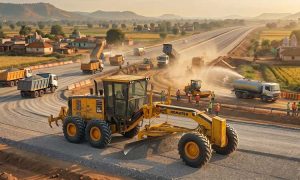
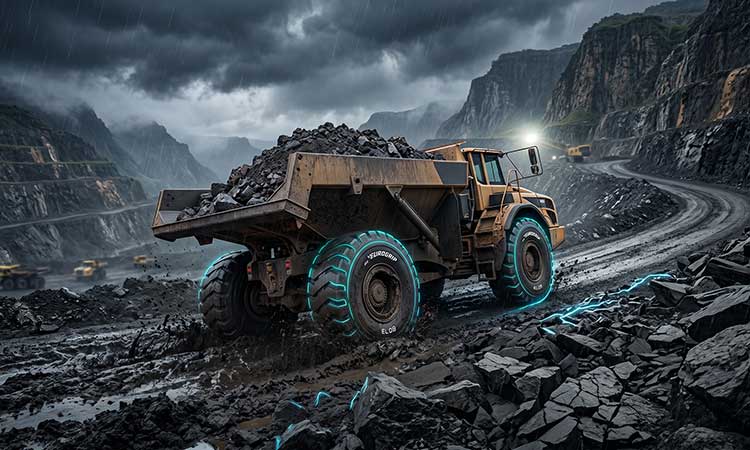
If you take a normal delivery truck and drive it into a deep Indian coal mine, the vehicle will fall apart in a single day. Normal vehicles require flat, smooth roads. However, the biggest building projects and mining operations in the country do not happen on flat pavement. They happen in deep, muddy valleys, on steep mountainsides, and inside massive, rocky craters. To move millions of tons of earth out of these brutal locations, companies rely entirely on massive iron machines.
Understanding how heavy dump trucks on rough terrain actually survive is a lesson in brilliant mechanical engineering. These iron beasts carry unbelievable weight while driving over jagged rocks and deep sludge. They do not break in half, and they rarely get stuck. This complete guide will look closely at the specific parts that give these machines their incredible power.
The Anatomy of an Off-Road Beast
A standard truck frame is built from a single, long piece of stiff metal. This works perfectly for a normal dump truck on highway because the paved road is flat. However, if you drive a stiff, long metal frame over a massive pile of jagged rocks, the metal will eventually snap in half. To solve this problem, engineers created completely different frame designs for off-road work.
When a site is filled with deep, slippery mud, companies use an articulated dump truck rough terrain model. The secret to this machine is a heavy metal hinge located right in the middle of the truck, between the front driver cab and the back dump box. This hinge allows the front half of the truck to twist and turn completely independently of the back half. If the front wheels drive into a deep hole, the back wheels stay flat on the ground. This brilliant flexibility ensures that all tyres maintain contact with the ground, providing massive dump truck stability on uneven terrain.
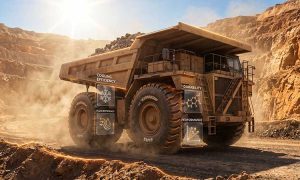
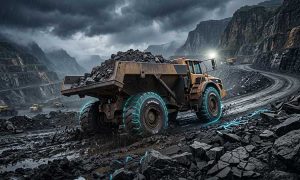
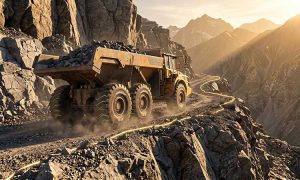
For the absolute heaviest jobs, such as a heavy-duty dump truck mining operation in the massive iron ore pits of Odisha, companies use rigid-frame trucks. These rough-terrain trucks do not have a hinge in the middle. Instead, they feature an incredibly thick, short, and massive steel frame. They are built to carry the absolute maximum payload possible. While a standard rigid on highway dump truck might carry fifteen tons of gravel, a massive off-road rigid truck can easily carry one hundred tons of blasted rock up a steep dirt hill.
A strong metal frame is useless if the engine cannot push the truck forward. Achieving perfect all‑terrain dump truck performance requires a complex system of power and shock absorption.
Advanced Shock Absorbers
When a massive off highway dump truck drives over a boulder, the impact sends a violent shockwave up into the machine. To protect the engine and the driver, these trucks use massive hydraulic suspension cylinders. These heavy metal tubes are filled with pressurized oil and nitrogen gas. When the truck hits a deep ditch, the oil and gas compress, absorbing the violent shock instantly. This smooths out the ride, allowing the driver to maintain high speeds over terrible dirt roads without losing control of the heavy steering wheel.
Intelligent Power Distribution
A normal car only sends engine power to two wheels. A heavy construction dump truck sends massive engine power to all of its wheels at the exact same time. Furthermore, they use a mechanical system called a “differential lock.” If one wheel drives into a slippery mud puddle and starts to spin uselessly, the differential lock forces the engine power to the other wheels that still have good grip on dry dirt. This smart power transfer is the true secret to perfect dump truck traction on rough ground. It ensures the heavy machine never gets trapped at the bottom of a deep pit.
Survival in the Indian Environment
These incredible mechanical systems are absolutely necessary to survive the diverse and brutal landscapes across India. Building infrastructure here requires machines capable of handling multiple extreme conditions in a single year.
The Deep Mining Pits
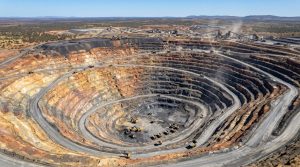
In the massive coalfields of Jharkhand, the dirt roads spiral deep into the earth. An off road dump truck must drive down into the pit empty, load up with massive boulders, and then drive back up a steep, jagged dirt ramp. The brakes must be incredibly strong to prevent the truck from sliding backward. The engine must deliver raw, low-speed pulling power, known as torque, to fight gravity all the way back up to the surface.
The Monsoon Sludge
When the seasonal monsoons hit the country, work sites turn into endless oceans of deep, sticky mud. A standard truck will sink to its axles instantly. For an off highway dump truck rough terrain operation to succeed in the rain, the truck must float. The flexible frame of the articulated truck, combined with wide, aggressive tyres, allows the machine to paddle through the thick sludge. The truck maintains its momentum, keeping the entire supply chain moving even when the sky is pouring rain.
You can buy a truck with the most powerful diesel engine and the smartest suspension system in the entire world. However, if that truck has bad tyres, it will fail instantly. The black rubber on the wheels is the only part of the massive machine that actually touches the dirt. The tyres are the final, most critical piece of the puzzle.
If a tyre is weak, a sharp rock will slice it open, causing an explosive blowout. If the tread pattern is completely wrong for the site, the tyre will just spin in the mud, wasting expensive diesel fuel and delaying the entire daily schedule. A premium tyre must protect the machine from sharp hazards, absorb heavy shockwaves, and bite into the dirt like a shovel. Investing in high-quality rubber is the absolute best way to guarantee your expensive iron machines perform perfectly every single day.
TVS Eurogrip OHT builds premium, severe-duty tyres specifically engineered to complete the mechanical puzzle of these massive machines. Our engineers use highly cut-resistant rubber mixtures and massive, deep tread blocks to handle extreme weight and the sharpest rocks on Indian work sites. Here are our top tyre choices to keep your heavy dump trucks operating perfectly.
When your articulated trucks face deep, slippery sludge during the monsoon season, the EL 09 provides massive pulling power.
- Design Focus: It features a wide void ratio between the rubber tread blocks.
- Why It Excels: As the tyre rolls through thick clay, the wide spaces force the sticky mud to shoot out of the tyre. This constant self-cleaning action ensures the aggressive tread blocks are always exposed, allowing the truck to bite into the soft earth and maintain forward momentum on the most uneven, slippery hills.
For extreme operations where heavy weight meets terrible weather, the EL 09 PLUS offers an upgraded level of survival.
- Design Focus: This tyre takes the incredible traction of the standard model and adds a much deeper tread depth and stronger internal casing.
- Why It Excels: The extra-deep rubber provides a significantly longer lifecycle. Even when hauling wet sludge from a highly abrasive excavation site every single day, this tyre refuses to wear down quickly. It keeps your trucks moving without the expense and frequency of tyre changes.
Sometimes, an articulated truck must leave the mud and work in a dry, highly abrasive rock quarry.
- Design Focus: The EL 18 features a very dense, thick tread pattern that places maximum rubber directly on the ground.
- Why It Excels: This dense block pattern creates a heavy, durable shield against jagged, blasted rocks. Furthermore, the sturdy block design reduces the dangerous wobbling effect when the truck is fully loaded, ensuring total stability on steep, rocky inclines.
Rigid dump trucks are the heavy lifters of the deep Indian stone quarries. They require tyres that simply will not crush under unimaginable payloads.
- Design Focus: The EM 18 features a highly reinforced, heavy nylon casing.
- Why It Excels: When a massive excavator drops twenty tons of sharp boulders into the truck bed, the violent shockwave travels straight into the tyres. This heavily reinforced tyre safely absorbs that massive impact. The specialized rubber compound also runs extremely cool, preventing the tyre from melting during long, hot transport drives.
A dump truck cannot work if the loader feeding it is broken. The EM 27 is an exceptional E-3/L-3 tyre built for the heavy wheel loaders that fill your dump trucks.
- Design Focus: It offers exceptional heat resistance and a highly durable, aggressive tread.
- Why It Excels: A wheel loader must constantly spin, reverse, and scrape its tyres against sharp rock piles. This tough tyre survives that constant abrasive scraping. By keeping the loader operating quickly and safely, you ensure the dump trucks are filled instantly, keeping the entire site moving on schedule.
Conclusion
A heavy infrastructure project is a war against the earth. You cannot win this war with weak tools. Understanding exactly what enables these massive dump trucks to conquer the roughest terrain gives you a major advantage in site management.
By equipping your heavy hauling fleet with premium TVS Eurogrip OHT tyres, you provide the final, necessary piece of the puzzle. You protect your fleet from sharp rocks, deep mud, and terrible heat. Trust the advanced engineering of TVS Eurogrip OHT, stop your expensive site delays, and finish your massive building projects on time.
Frequently Asked Questions (FAQs)
What makes an articulated dump truck different from a normal truck?
An articulated dump truck has a heavy metal hinge in the middle of its body. This allows the front cab and the back box to twist independently, keeping all the wheels firmly on the ground even when driving over deep holes and large mud hills.
How do heavy dump trucks get traction in deep mud?
They use all-wheel-drive systems and differential locks that send engine power to the wheels with the best grip. Combined with deep-tread tyres, this stops the truck from spinning its wheels uselessly in the mud.
Why is suspension important for a slow-moving dump truck?
Even at slow speeds, hitting a large rock with fifty tons of gravel in the back sends a massive, violent shockwave through the machine. Advanced hydraulic suspension absorbs this shock, protecting the engine and keeping the truck stable.
What is the biggest danger of dumping truck tyres on a site?
Heat and sharp rocks are the biggest enemies. Heavy loads generate massive heat inside the rubber, while blasted rocks act like sharp knives. tyres must be built with special cooling designs and cut-resistant rubber to survive.
Why do rigid dump trucks carry more weight than articulated trucks?
Rigid dump trucks use a single, solid, incredibly thick steel frame that does not bend. Because they do not have a hinge, the frame can support a much higher payload capacity, making them perfect for wide, flat quarry roads.