
Aron Calvin Vijaykhar
Global Product Manager | Marketing & Brand Management Head
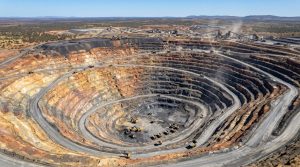
Working in an Indian mine is a constant battle against the physical elements. During the brutal peak of summer, the temperature inside a deep, open-pit coal mine can easily reach fifty degrees Celsius. The sun beats down from above, while the massive diesel engines generate intense fire from within. When you combine this severe heat with the constant, grinding friction of sharp stones, you create the absolute worst environment for any machine.
To pull valuable resources out of the earth safely and profitably, you need highly specialized equipment for mining. Normal machines will literally melt, snap, or shatter within a few short days. The true secret to a successful quarry or deep shaft operation is understanding exactly how these invisible enemies heat and physically attack your iron tools. This complete guide will explore the mechanical science behind these daily threats.
The Invisible Threat of Extreme Heat
Heat is a silent killer on any large industrial site. When you operate heavy mining equipment in the intense Indian climate, the heat attacks the machine from two different directions at the exact same time.
First, the environmental heat from the hot sun bakes the outside of the machine. The metal frame absorbs the sun and becomes too hot to touch. Second, the massive diesel engine and the high-pressure hydraulic systems generate internal fire. When a machine lifts fifty tons of solid rock, the hydraulic oil inside the lifting cylinders gets incredibly hot.
If the machine cannot expel this heat, the oil becomes thin, like water. When the oil gets too thin, the machine loses its lifting power. The engine parts expand from the severe heat, causing them to rub together tightly and eventually seize up completely. To prevent this mechanical disaster, engineers install oversized radiators and thick cooling fans in the machines. However, if thick mine dust clogs these radiators, the cooling system fails instantly, and the expensive machine destroys itself from the inside out.
The Destructive Power of Friction
While heat melts a machine from the inside, friction destroys it from the outside. A mine is entirely made of abrasive, sharp materials. When a steel excavator bucket scoops up heavy iron ore in Odisha, the rock scrapes violently against the metal. This action creates immense physical friction.
Over weeks and months, this constant scraping acts exactly like rough sandpaper. It slowly shaves the thick steel away until the bucket is paper-thin and cracks open. This friction also creates massive clouds of sharp silica dust. This microscopic dust floats into the air and gets sucked directly into the engine blocks and grease joints of the machinery. The dust mixes with grease, forming a grinding paste that destroys gears and expensive bearings.
To combat this severe friction, site managers must use tough, hardened steel plates and constantly apply fresh, clean grease to every moving joint. You cannot stop friction, but you can slow the damage with strict daily care.
The rules change entirely when you leave the surface and go deep underground. In deep Indian shafts, there is no direct sunlight, but the heat is actually much worse. The deep earth is naturally hot, and there is no natural wind to blow the engine heat away.
Operating underground mining equipment requires incredibly smart ventilation systems. Giant industrial fans must push fresh, cool air miles deep into the tunnels. If the fans fail, the tunnels quickly turn into deadly ovens. Because the space is so tight, the machines cannot be as large as the ones on the surface. They must be compact but incredibly powerful.
Because the environment is so dangerous, you must also invest heavily in mining safety equipment. This includes fire suppression systems attached directly to the engines. If a hydraulic hose bursts and sprays hot oil onto the engine block in a tight underground tunnel, a fire will start instantly. The safety equipment detects the heat and covers the engine in heavy foam, saving the machine and the human operators trapped in the dark shaft.
Heavy Iron for Surface Operations
When you return to the surface, the sheer size of the operation becomes the main challenge. Open-cast mines require large mining equipment to remove massive amounts of overburden just to reach the valuable coal or iron ore beneath.
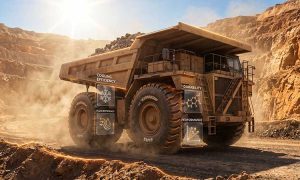
You will see massive draglines, giant wheel loaders, and three-story-tall rigid dump trucks. This big mining equipment is designed to haul hundreds of tons in a single trip. Because they carry such unbelievable weight, the friction on their axles, brakes, and tyres is extreme. When a fully loaded truck drives down a steep dirt ramp, the driver must stand on the heavy brakes. The friction between the brake pads generates intense heat, often causing the metal to glow bright red. The truck relies on complex oil-cooling systems just to keep the brakes from melting away completely.
The Reality of Repair and Supply
You cannot run a successful mine if your machines are constantly broken. Because heat and friction cause so much damage, strict mining equipment maintenance is the only way to survive the year. Mechanics must check the oil, blow the dust out of the radiators, and inspect the tyres every single morning before the sunrise shift begins.
However, a new challenge has emerged for Indian site managers. We are currently facing a severe mining equipment supply chain tightness 2026. Factories around the world are struggling to produce enough replacement pieces to meet the massive global demand. If a critical gear or a heavy hydraulic pump breaks today, you might have to wait three long months for the replacement part to arrive.
Because you cannot easily buy new mining equipment parts, you must protect the parts you already own. You cannot afford to drive a machine until it breaks. You must drive it carefully, cool it down frequently, and repair minor problems before they become massive, explosive failures. Protection is the ultimate business strategy for the modern Indian mine.
Defend Your Fleet With The Best Tyres from TVS Eurogrip OHT
The absolute most vulnerable part of your entire machine is the rubber tyre. tyres are the only part of the heavy iron beast that actually touches the sharp, hot ground. They absorb the entire weight of the machine, the extreme heat of the dirt road, and the violent friction of the blasted rocks.
If a tyre cannot handle the severe heat, the rubber will melt from the inside and explode. If the tyre cannot withstand friction, sharp rocks will slice the rubber into shreds in a single week. To keep your fleet moving during a severe supply chain shortage, you must invest in premium tyres that refuse to fail.
TVS Eurogrip OHT builds heavy-duty, severe-service tyres designed specifically to beat the heat and friction of Indian mines. Our engineers use highly cut-resistant rubber mixtures and massive tread blocks to provide the ultimate defense for your expensive vehicles. Here are the top TVS Eurogrip OHT choices to keep your mine operating at full speed.
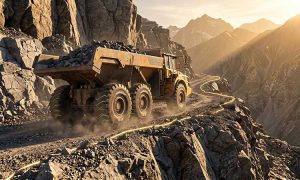
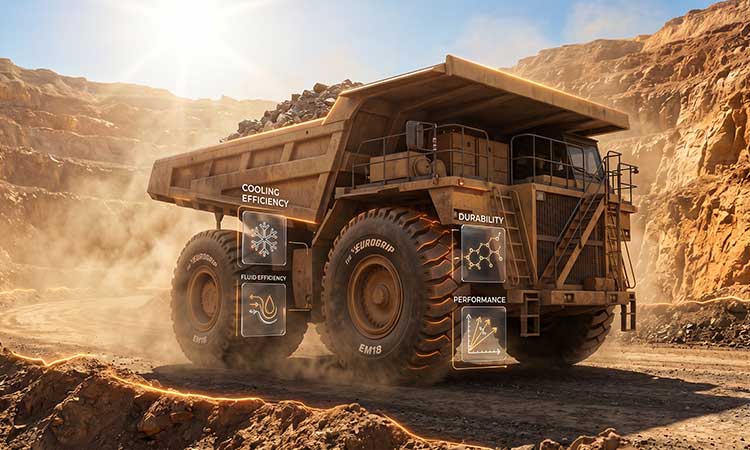
Rigid dump trucks carry the heaviest loads in the deep stone and iron quarries. The EM 18 is an absolute master of heat resistance. It features a highly reinforced nylon casing designed for the longest, heaviest haul cycles. The specialized rubber compound is engineered to run extremely cool. When the truck drives for miles under the hot sun, the tyre dissipates the internal heat quickly, preventing the dangerous temperature spikes that destroy standard tyres.
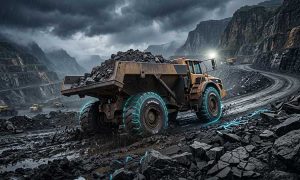
Articulated dump trucks operate in wet, sloped, and highly abrasive environments. The EL 18 is built to fight severe surface friction. It features a very dense, thick tread pattern that puts maximum rubber directly onto the ground. This dense block design creates a heavy armor shield against jagged, blasted rocks. It prevents sharp stones from shaving away the rubber, ensuring a much longer lifecycle in the harshest quarries.
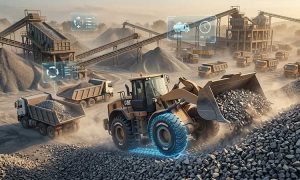
A dump truck cannot move if the massive wheel loader feeding it is broken. The EM 27 L-3 is an exceptional tyre built specifically for heavy wheel loaders. A loader must constantly spin, reverse, and aggressively scrape its tyres against sharp rock piles to scoop up the ore. This tough tyre survives that constant, violent, abrasive friction. It keeps the loader moving quickly, keeping the entire site on schedule.
For intense surface mining and demanding deep earthmoving tasks, the IL 09 provides massive durability. It is built to withstand extreme rock hazards and heavy payloads. The deep, aggressive tread blocks provide massive traction on loose, slippery gravel, ensuring the machine does not spin its wheels. Stopping wheel slip is the best way to prevent rapid friction wear, saving you thousands of rupees in replacement costs.
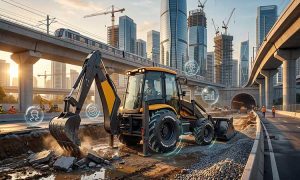
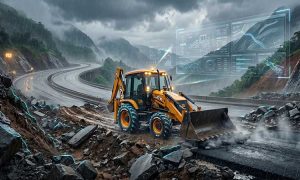
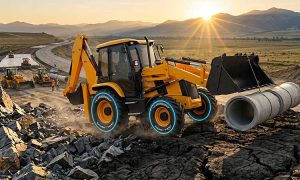
Even in a massive mine, smaller machines like backhoe loaders are necessary to clear debris from the main haul roads and dig small drainage trenches. The BL 54 JUMBO provides severe-duty protection for these utility machines. It features a super-deep L-4 tread depth. The massive blocks resist cutting and chipping by sharp scrap rock constantly littering the site, keeping the support machines completely safe from sudden flat tyres.
Conclusion
Mining is an extreme test of mechanical endurance. The earth fights back with violent heat and relentless physical friction. You cannot change the harsh reality of the Indian landscape, but you can control how your machines react to it. By understanding the invisible threats of heat buildup and abrasive wear, you can protect your massive investments.
Implement strict daily maintenance schedules, monitor your engine cooling systems, and train your operators to drive smoothly. Most importantly, do not let weak rubber halt your progress during a severe parts shortage. Equip your massive loaders, articulated haulers, and rigid dump trucks with premium TVS Eurogrip OHT tyres. Their heat-resistant compounds and thick, cut-resistant treads provide the ultimate armor against the harsh earth. Choose TVS Eurogrip OHT today, defeat the heat and friction, and keep your mining operation highly profitable all season long.
Frequently Asked Questions (FAQs)
How does extreme heat damage mining equipment?
Heat causes metal engine parts to expand and rub against each other, leading to complete engine failure. It also thins out the heavy hydraulic oil, which causes massive machines to lose their ability to lift heavy rocks.
Why is rock friction so dangerous to heavy machines?
Friction acts like rough sandpaper. When heavy steel buckets scrape against abrasive rocks all day, the metal wears down until it breaks. Friction also creates fine silica dust that damages engine bearings and gears.
What is the mining equipment supply chain tightness 2026?
This is a current global problem where factories cannot produce spare parts fast enough to meet demand. If an Indian mine breaks a machine part today, they might face a massive, multi-month delay waiting for a replacement.
How do TVS Eurogrip OHT tyres survive hot mining roads?
Premium tyres like the EM 18 are built with specialized rubber compounds that dissipate heat quickly. They run much cooler than cheap tyres, which stops the internal rubber from melting and exploding during long haul drives.
Why is underground mining equipment different from surface equipment?
Underground machines must operate in incredibly tight, dark tunnels with very poor ventilation. They are built more compactly and require highly specialized cooling and fire safety systems to protect the human workers trapped deep underground.