
Aron Calvin Vijaykhar
Global Product Manager | Marketing & Brand Management Head
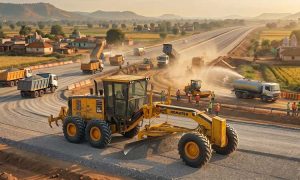
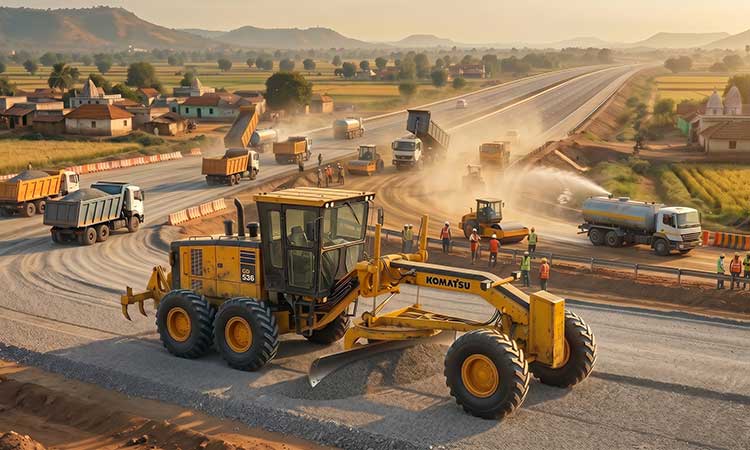
Across the country, massive road construction projects in India are changing the way people travel and do business. Builders are widening old city streets and carving massive new expressways through rural districts. However, turning a rough dirt path into a perfect, smooth highway is an incredibly complex daily puzzle. A major project road construction site requires the coordination of hundreds of workers, constant material deliveries, and massive iron machines. When you have so many moving parts, things will inevitably go wrong.
Site managers face intense pressure to finish on time. If a project falls behind schedule, the company incurs high costs and faces strict government penalties. To succeed, you must anticipate roadblocks before they occur. Understanding the common problems in road construction projects helps you protect your budget and crew. This complete guide explores the harsh daily reality of building infrastructure in India.
The Master Blueprint
The absolute biggest mistakes happen before a single shovel ever touches the dirt. Every successful highway starts with a perfect road construction plan. If your initial plan is weak or rushed, the entire project will suffer from endless delays and expensive rework.
One of the greatest challenges in road construction is dealing with hidden underground utilities. In many Indian cities, water pipes, sewer lines, and thick fiber-optic internet cables are buried right under the old streets. Often, there are no accurate maps to show exactly where these pipes are located. If a heavy excavator digs too fast and snaps a major city water pipe, the entire street floods. The construction crew must stop work immediately, wait for the city engineers to repair the pipe, and pay substantial fines for the damage.
To solve this operational issue, modern builders use ground-penetrating radar before they dig. They carefully map every single hidden obstacle. A perfect plan also schedules exact delivery times for heavy materials like gravel and steel. When the dump trucks arrive exactly when the loaders are ready for them, the site moves forward smoothly without massive traffic jams at the front gate.
Civilian Traffic Zones
Unlike building a private factory behind closed gates, highway crews must often work right next to the public. Expanding an existing, busy Indian highway is incredibly dangerous. This creates massive traffic management challenges in road construction. You must keep the heavy iron machines completely separate from speeding civilian cars and massive cargo trucks.
If a site lacks clear warning signs, flashing lights, and heavy concrete barriers, civilian drivers become confused. They might drive straight into an active work zone, causing terrible accidents that halt the entire project. To manage this chaos, site managers create strict temporary diversion lanes. They use trained flag workers to slowly direct heavy traffic around the digging zones.
Furthermore, you cannot allow a construction machine to break down in the middle of a live traffic lane. If a backhoe loader suffers a flat tyre while crossing a busy intersection, it blocks civilian traffic for miles. This causes public anger and attracts negative attention from local authorities. You must ensure your machines are equipped with reliable parts and premium tyres so they can enter and exit the public traffic zones quickly and safely.
Green Rules and Dust Control
Today, builders must comply with strict government regulations to protect the local environment. Environmental issues in road construction pose a major operational hurdle, especially in densely populated residential areas. The biggest enemy on a dry Indian work site is the thick, choking dust.
When heavy graders scrape the earth and dump trucks drop tons of crushed stone, they create massive clouds of dirt. This dust blows into nearby neighborhoods, causing severe breathing problems for the local citizens. If a construction company ignores this problem, environmental inspectors will immediately shut down the entire project.
To solve this challenge, companies must run constant dust suppression teams. Industrial tractors pull massive water tankers up and down the unpaved roads all day long. They spray a fine mist of water over the loose gravel to keep the heavy dust firmly on the ground. Site managers must also control extreme noise pollution. They schedule the loudest jobs, such as breaking old concrete with hydraulic hammers, in the middle of the day, while reserving quieter jobs for night shifts to respect the local community.
Surface Flaws and Fixes
A highway must be perfectly smooth and incredibly strong to handle the constant weight of heavy commercial trucks. Dealing with quality issues in road construction and solutions requires constant, strict supervision. If you rush the job, the road will crack and form deep potholes in just a few months.
The most common quality issue involves the gravel base layer. The dirt and crushed stone underneath the black pavement must be compacted until it is as hard as a rock. If the heavy soil compactors do not crush the base layer perfectly flat, the ground will eventually sink. When the ground sinks, the stiff asphalt on top cracks open.
Another massive quality issue is asphalt temperature. The black pavement mix arrives from the factory boiling hot. It must be spread and rolled flat while it is still extremely hot. If the delivery trucks are delayed by city traffic, the asphalt cools and hardens. If you try to pave a road with cold asphalt, the material will not bind together properly, and the road will crumble apart after the first heavy rainstorm. Strict temperature checks and fast delivery routes are the only solutions to this severe problem.
Equipment Flow and Uptime
You can have the best plan and the safest traffic zones, but your project speed depends entirely on your iron machinery. One of the most severe road construction operational challenges is unexpected equipment breakdown.
If you want to know how to avoid delays in road construction, you must protect your fleet. A road site is a brutal environment for any machine. The ground is covered in sharp metal wire, broken concrete chunks, and jagged blasted rocks. The machines must also drive on fresh, hot asphalt that can literally melt weak rubber parts. If a compact wheel loader blows a tyre, it cannot clear the gravel out of the way. If the gravel stays in the way, the asphalt paver cannot move forward. A single flat tyre creates a massive chain reaction that paralyzes the entire crew. To keep your equipment flow perfectly consistent, you must invest in severe-duty tyres that act like heavy armor for your machines.
Top TVS Eurogrip OHT tyres for the Crew
TVS Eurogrip OHT builds premium, heavy-duty tyres specifically engineered to solve the daily operational problems of Indian roads. Our engineers focus on extreme puncture resistance, maximum stability for precise work, and reliable traction on loose gravel. Here are the top TVS Eurogrip OHT choices to keep your highway project moving forward without delays.
Before you can lay asphalt, motor graders must shave the gravel base until it is perfectly flat. The TG 09 is a severe-duty tyre built specifically for these precise machines. It provides a rock-solid, stable footprint that prevents the heavy grader from bouncing or sliding sideways on loose stone. This stability ensures the operator cuts the ground perfectly level on the very first pass, eliminating costly quality-control issues with the base layer.
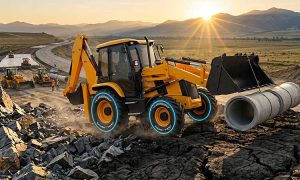
Backhoe loaders are the ultimate utility tools on the site. They must constantly cross active civilian traffic lanes to move heavy concrete barricades. The BL 63 features a highly reinforced casing and thick rubber lugs. It resists cuts from sharp city debris and provides a smooth ride on hard asphalt. This ensures the backhoe never breaks down in the middle of a live intersection, solving major traffic management headaches.
To comply with strict environmental dust rules, industrial tractors must constantly pull massive water bowsers up and down the site. The TI 18 PLUS is the perfect rear tyre for this critical job. It offers a highly reinforced sidewall to handle the severe lateral stress of a sloshing, heavy water tank. It provides the reliable, everyday strength needed to keep the dust suppression team moving all day long.
Compact wheel loaders do the endless work of moving large piles of loose gravel to keep the path clear for the paving machines. The MT 45 HD (Heavy Duty) is built to survive constant, heavy loading cycles. The strong R-4 tread pattern bites firmly into loose, dry stone, giving the loader the strong pushing power it needs to fill the bucket completely without spinning its wheels and wasting valuable fuel.
CT 09
Directly behind the paving machine, heavy asphalt rollers must crush the hot mix into a smooth, permanent road. The CT 09 is a specialized tyre built entirely for this job. It features a completely smooth tread surface, so it does not leave ugly marks in the fresh pavement. It uses a specially formulated rubber compound designed to withstand extreme surface heat without melting, ensuring consistent quality control of the final road surface.
Conclusion
Building a major highway is a massive operational challenge that tests the skill and patience of every single worker on the site. You must constantly battle the chaos of live city traffic, enforce strict environmental rules, and guarantee the absolute physical strength of the final pavement.
Premium TVS Eurogrip OHT tyres provide your fleet with the ultimate heavy armor. Choose the precise, durable power of TVS Eurogrip OHT today, avoid expensive site delays, and deliver a perfectly smooth Indian highway exactly on time.
Frequently Asked Questions (FAQs)
What are the most common problems in road construction projects?
The most frequent issues are hitting underground water pipes, delays due to unexpected machine breakdowns, poor compaction of the base gravel layer, and strict management of heavy civilian traffic around the site.
How do you solve traffic management challenges in road construction?
Site managers must use heavy concrete safety barriers to separate the work zone from the public. They use clear signs, bright lights, and trained flag workers to guide civilian cars safely and slowly around the active digging areas.
What are the major environmental issues in road construction?
The biggest environmental issue is the massive amount of heavy dust generated by moving dirt and gravel. Builders must constantly spray the dirt roads with heavy water trucks to keep the dust out of nearby residential neighborhoods.
Why do quality issues in road construction and solutions focus heavily on temperature?
Black asphalt must be spread and crushed perfectly flat while it is still boiling hot. If delivery trucks are delayed and the asphalt cools, it will not bind properly, leading to a weak road that cracks easily.
How do premium tyres help avoid delays in road construction?
Cheap tyres easily burst when driving over sharp, broken concrete or hot asphalt. This leaves the machine blocking the road. Premium TVS Eurogrip OHT tyres feature cut-resistant rubber and thick casings to help prevent sudden, expensive breakdowns.