
Aron Calvin Vijaykhar
Global Product Manager | Marketing & Brand Management Head
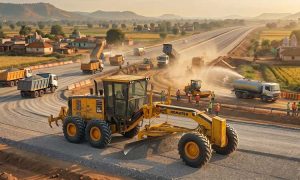
India is currently connecting its massive landscape faster than any other nation. From the rocky hills of the Western Ghats to the flat, dusty plains of the central states, builders are pouring concrete and laying black asphalt every single day. However, a major road construction site is not a simple workplace. It is a highly complex, dangerous, and loud environment. Site managers must coordinate hundreds of workers, manage massive supply chains, and keep giant iron machines running perfectly.
If you want to succeed in highway and road construction, you must anticipate problems before they happen. The challenges in road construction are massive. One single mistake can cost a company lakhs of rupees and delay the entire project for months. This complete guide explores the harsh realities of building Indian infrastructure.
The Heavy Reality of Indian Highways
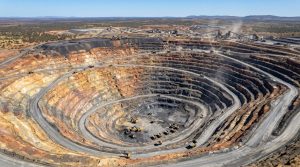
When we look closely at construction and infrastructure, we see a brutal battle against time and terrain. Top highway road construction companies do not just pour asphalt; they must completely redesign the earth. They blast through solid granite mountains and build massive dirt bridges over deep valleys.
Because the landscape changes so drastically, the common problems in road construction change every single mile. In a crowded city, builders must dodge underground water pipes and thick electrical cables. If a backhoe digs too deep and snaps a city power line, the entire site must shut down immediately. In rural areas, the challenge shifts to pure logistics. Getting fresh, hot asphalt from a factory to a remote dirt road before it cools and hardens is a massive daily puzzle. If the delivery truck breaks down, the asphalt is ruined, and the company loses a massive amount of money.
To keep a site moving forward, you must know what slows it down. There are several major causes of delay in road construction projects that affect every single builder in the country.
Land and Utility Clashes
Before you can lay a smooth highway, you must clear the path. Often, road construction companies start digging only to find old, unmapped sewer lines or thick tree roots. Moving these obstacles requires special permits and extra time. Dealing with these surprise underground clashes is one of the most frustrating parts of construction on roads.
The Threat of Extreme Weather
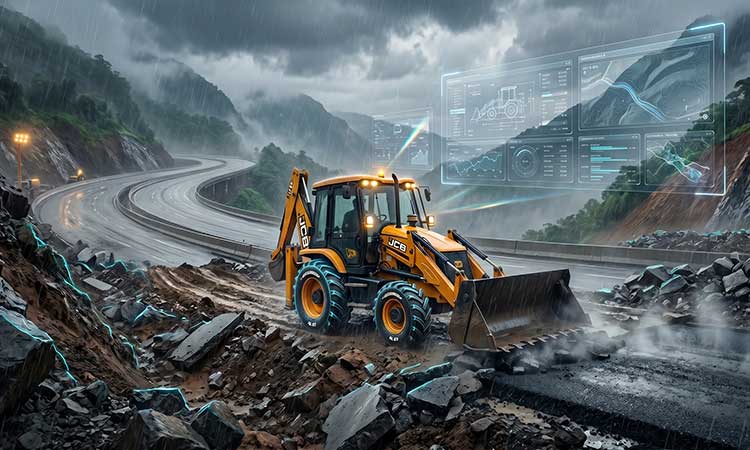
The Indian sky dictates the daily schedule. During the summer, the ground turns into a hard, baked crust. Fresh black asphalt absorbs the sun and reaches boiling temperatures, making the work environment brutal for the crew. Then, the monsoon season arrives. Massive, violent rainstorms can wash away a month of hard gravel work in a single afternoon. A flooded site stops all road work construction entirely because heavy machines will simply sink into the deep, sticky mud.
A highway requires thousands of tons of crushed stone, steel rebar, and wet concrete. If the rock quarry has a slow week or if a delivery truck gets stuck in highway traffic, the builders have no materials to use. When the materials stop flowing, the expensive machines sit idle, and the project falls behind its strict deadline.
Focus on Construction Worker Safety
While fixing broken schedules is important, the absolute highest priority on any site is construction worker safety. A road project is full of massive hazards. Giant dump trucks reverse blindly, heavy excavators swing their massive metal arms, and cars speed past the orange safety cones just a few feet away from the crew.
If an accident happens, the entire site shuts down for an investigation. Keeping workers safe requires strict daily rules.
Safety Rule | Daily Action | Why It Saves Lives |
|---|---|---|
High Visibility Gear | All workers wear bright, reflective vests. | Machine operators can easily see humans in the thick dirt and dust. |
Traffic Control Zones | Set up heavy concrete barriers and signs. | Stops civilian cars from crashing into the active work zone. |
Clear Communication | Use radios and standard hand signals. | Ensures everyone knows exactly when a heavy machine is about to move. |
Daily Machine Checks | Inspect brakes and tyres every single morning. | Stops a heavy loader from losing control on a steep dirt hill. |
Prevent Expensive Machine Delays
Even with a perfect schedule and a perfectly safe crew, your success depends entirely on your iron equipment. Heavy machines do the hardest work, but they also represent the highest hidden costs. If a massive backhoe loader snaps an axle or blows a tyre, it becomes a useless block of metal blocking the road.
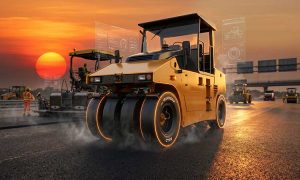
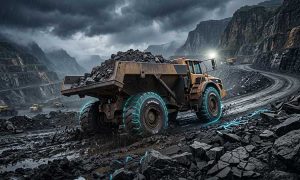
The ground on a new highway project is a total nightmare for rubber tyres. The dirt is covered in sharp, blasted rocks, broken concrete chunks, and stray metal nails. Furthermore, driving a heavy machine on freshly laid, boiling-hot asphalt will melt a cheap rubber tyre in just a few days.
This is where the true cost of ownership becomes visible. Many companies buy cheap tyres to save a little money up front. However, when that cheap tyre explodes on a jagged rock, the entire work crew must stop and wait for a mechanic. That lost time costs ten times as much as a good tyre. To stop these costly delays, smart managers invest in premium rubber that acts like heavy armor for their machines.
TVS Eurogrip OHT builds premium, heavy-duty tyres specifically designed to survive the brutal, sharp, and hot environment of Indian road building. Our engineers focus on cut-resistant rubber mixtures and massive tread blocks to provide ultimate stability and puncture defense. Here are the best TVS Eurogrip OHT choices to keep your site moving safely.
Backhoe loaders are the most common machines on any road site. They dig deep trenches and push heavy gravel all day long.
- Design: The BL 63 features a tough R-4 tread pattern with incredibly strong, thick lugs.
- Why It Works: Road sites are strewn with sharp debris such as broken concrete and steel rebar. This tyre uses a highly reinforced casing that acts like a shield against punctures. Resisting sharp cuts, it prevents sudden, explosive blowouts, keeping your operator safe and the machine working.
Moving massive piles of heavy dirt and crushed stone requires a powerful compact wheel loader. The EM 27 L-3 is the absolute master of this job.
- Design: This is a classic L-3 loader tyre built for extreme earthmoving.
- Why It Works: When a loader scoops heavy rock, the tyres absorb a massive shock. This tyre has a thick, heavy base that easily supports extreme bucket weights. Furthermore, the specialized rubber resists intense heat buildup, allowing the loader to drive back and forth in the hot Indian sun without the internal rubber melting.
Many smaller industrial tractors are used on road sites to pull water wagons or sweep away heavy dust.
- Design: The TI 09 features a highly versatile R-4 block pattern.
- Why It Works: These utility tractors constantly switch between driving on rough dirt and smooth, newly paved asphalt. This tyre grips the loose dirt safely, but it also rolls very smoothly on the hard pavement. This smooth ride stops the tractor from vibrating violently, which protects the engine parts from shaking loose.
For heavy-duty industrial tractors that require more aggressive pulling power, the TI 18 is the perfect upgrade.
- Design: It features a deep, aggressive R-4 tread with highly reinforced, stiff sidewalls.
- Why It Works: When working on the sloped, uneven shoulder of a new highway, a machine can easily tip over. The stiff sidewalls of the TI 18 provide massive lateral stability. It keeps the heavy tractor perfectly balanced on steep dirt angles, drastically improving the safety of the driver inside the cab.
If your site involves demolition work where you must tear up an old highway before building a new one, you need extreme durability.
- Design: The BL 81 is a heavy-duty tyre with a unique, interconnected tread block design.
- Why It Works: The interconnected blocks put a massive amount of thick rubber directly on the ground. This design prevents the rubber lugs from tearing or chunking off when the machine spins its wheels on sharp, broken asphalt. It provides an incredibly long lifespan, saving the company money on frequent tyre replacements.
A versatile site requires a versatile tyre. The BL 27 is an excellent all-around choice for mixed fleet operations.
- Design: A standard R-4 tread with a focus on self-cleaning properties.
- Why It Works: When a backhoe digs in a muddy trench and then drives onto a clean road, it tracks mud everywhere. The BL 27 pushes wet mud out of its grooves as it rolls, maintaining excellent grip in the dirt while keeping the fresh pavement relatively clean.
Conclusion
Building a massive new highway is a tremendous achievement, but it is never easy. You are fighting the tough Indian earth, unpredictable weather, and dangerous daily hazards every single step of the way. You cannot just wish for a smooth project; you must actively plan for it.
By equipping your loaders, backhoes, and tractors with premium TVS Eurogrip OHT tyres, you protect your fleet from sharp rocks, steep slopes, and boiling asphalt. Choose the tough armor of TVS Eurogrip OHT today, stop your expensive site delays, and finish your massive road project exactly on time.
Frequently Asked Questions (FAQs)
What are the biggest challenges in road construction today?
The largest hurdles include dealing with extreme weather like monsoons, managing unexpected underground utilities like water pipes, and preventing expensive delays caused by heavy machine breakdowns.
Why is construction worker safety so heavily enforced?
A road site has massive moving machines, hot asphalt, and fast civilian traffic right next to the workers. Strict safety rules, such as wearing bright vests and using radios, prevent catastrophic accidents that could shut down the entire project.
What causes the most delays in road construction projects?
Aside from the heavy rain, equipment failure is the biggest delay. If a massive excavator blows a tyre or ruins an engine, the dump trucks cannot load, and the entire daily schedule falls completely apart.
Why do machines need special tyres for construction on roads?
Road sites are covered in sharp, blasted rocks, scrap metal, and boiling hot, fresh asphalt. A normal tyre would melt or tear open instantly. Special tyres use thick, cut-resistant rubber to survive this brutal environment.
How does weather act as a common problem in road construction?
Heavy monsoon rains turn a dirt site into a deep mud swamp, making it impossible for heavy machines to drive. Extreme summer heat can bake the dirt too hard to dig and make the working conditions unsafe for the human crew.