
Aron Calvin Vijaykhar
Global Product Manager | Marketing & Brand Management Head
India is currently experiencing a massive urban boom. Cities are expanding at a rapid pace, with massive new metro rail networks, towering commercial buildings, and vast smart city developments appearing seemingly overnight. When you look at one of these massive sites, it looks like a perfectly planned ballet of giant iron machines. However, the reality on the ground is completely different. A building site is chaotic, unpredictable, and constantly changing.
To make a profit on these massive urban projects, contractors must maximize their heavy equipment efficiency in construction sites. You cannot simply turn the key and expect a machine to perform perfectly every day. This complete guide will explore how the physical environment drains your machine power and harms your daily schedule.
The Reality of Urban Projects
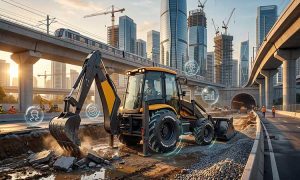
When a company plans a massive new project, they map out perfect timelines on computer screens. However, the general conditions in construction rarely match the perfect computer plan. A typical Indian job site is a dynamic puzzle. One week, a backhoe loader is digging a deep, wet trench for water pipes. The very next week, that exact same machine must drive across sharp, broken concrete to move pallets of heavy bricks.
Because the landscape changes so fast, your action construction equipment products must be incredibly versatile. A machine that only works well on dry, flat dirt is totally useless in a crowded city center. Site managers must constantly evaluate the ground to ensure their expensive iron machines are not being destroyed by hidden hazards. If the ground is too soft, machines sink and burn massive amounts of diesel fuel just to move a few feet. If the ground is covered in sharp demolition debris, machines suffer severe physical damage. Understanding how these distinct zones affect your fleet is the first step to massive daily profits.
Elements That Drain Power
To protect your daily schedule, you must understand the specific site conditions affecting heavy equipment performance. The ground is your biggest enemy. Here are the three main elements that steal power from your engines and slow down your fleet.
Deep Trenches and Soft Soil
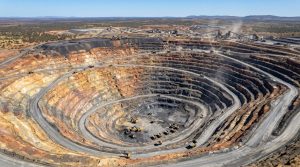
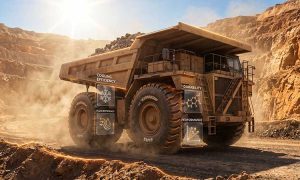
When you start a new foundation for a high-rise building, you must dig deep into the earth. The dirt at the bottom of a foundation pit is incredibly soft and loose. When a heavy wheel loader drives into this loose soil, the tyres sink deep into the ground. The engine must work twice as hard to push the massive machine forward. This extreme effort burns a massive amount of expensive diesel fuel. The machine also moves much slower, which drastically lowers your overall construction equipment production for the day.
Concrete Rubble and Debris
As the project moves forward, the dirt is replaced by hard materials. Workers smash old concrete, cut heavy steel rebar, and drop sharp nails everywhere. When a heavy machine drives over this jagged rubble, the impact sends violent shockwaves straight into the axles and the suspension. Furthermore, sharp concrete acts like a knife against rubber tyres. If your machines are forced to drive over debris constantly, the tyres will chunk apart, leading to sudden blowouts that freeze the entire work zone.
Confined City Spaces
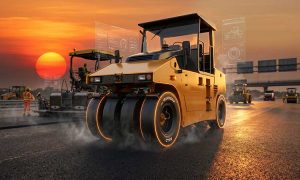
Building a new metro pillar in the middle of a crowded Indian street leaves very little room for error. Machines must operate in extremely tight spaces. They must turn sharply, stop suddenly, and reverse constantly. This constant stopping and twisting creates massive friction on the steering components and the tyres. If the equipment cannot turn smoothly on hard asphalt, the operator loses valuable minutes on every load, destroying your construction equipment’s productivity.
The Human Factor and Machine Output
Many managers focus entirely on the diesel engines and the hydraulic pumps. However, they completely ignore the most important part of the machine: the human being sitting inside the cab. You cannot talk about site speed without talking about construction worker working conditions.
A heavy machine does not have a soft, comfortable suspension like a luxury car. When a backhoe drives over a rough, rocky path, the machine bounces violently. That violent bouncing transfers directly to the operator’s spine and arms. If the working conditions for construction operators are terrible, they become physically exhausted after just a few hours.
An exhausted operator makes mistakes. They drive more slowly, scoop less dirt into the bucket, and take longer breaks. The physical vibration of a bad site directly ruins your daily profit margins. To fix this, you must prioritize a smooth ride. Smoothing out the haul paths and equipping your machines with flexible, high-quality rubber tyres absorbs those violent shocks. When the operator feels safe and comfortable, they work faster and much more accurately, ensuring the project finishes on time.
Weather Challenges and Production Delays
The Indian climate is legendary for its extreme mood swings. You must plan your entire project around the sky because the weather impact on construction equipment productivity is massive.
The Dry Dust Trap
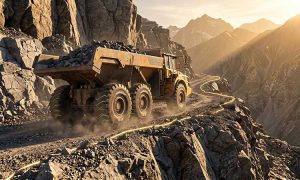
During the long, hot summer months, the dirt on a busy site turns into a fine, powdery dust. When heavy machines drive around, they kick massive clouds of this dust into the air. This dust is incredibly dangerous to diesel engines. It gets sucked into the air filters, clogging them and causing the engine to overheat rapidly. Mechanics must clean these filters constantly, which forces the machines to stop working. Furthermore, the thick dust blinds the operators, forcing them to drive very slowly to avoid crashing into other workers.
The Monsoon Mud Swamp
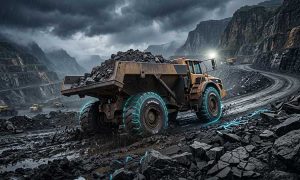
When the heavy rains finally arrive, the dry dust instantly turns into a deep, sticky mud swamp. Mud completely destroys traction. If a dump truck cannot grip the dirt, its wheels spin uselessly, and it slides backward down the hill. A flooded site is the ultimate nightmare for a contractor. To survive the monsoon season, you must have machines equipped with aggressive, deep-tread tyres that can act like shovels, paddling through the thick mud to keep the supply chain moving.
Top TVS Eurogrip OHT tyres for the Fleet
Your machines are only as good as the rubber that connects them to the chaotic earth. To maintain high heavy equipment efficiency in construction sites, you must abandon cheap tyres. Cheap rubber bounces violently, slips in the mud, and bursts on sharp concrete.
TVS Eurogrip OHT builds premium, heavy-duty tyres specifically engineered for the unpredictable nature of Indian urban construction. Our engineers focus on vibration reduction, extreme grip, and cut-resistant armor. Here are the top TVS Eurogrip OHT choices to keep your mixed-use fleet operating at absolute peak performance.
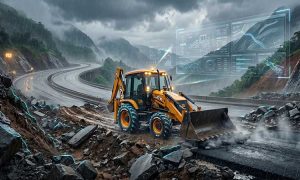
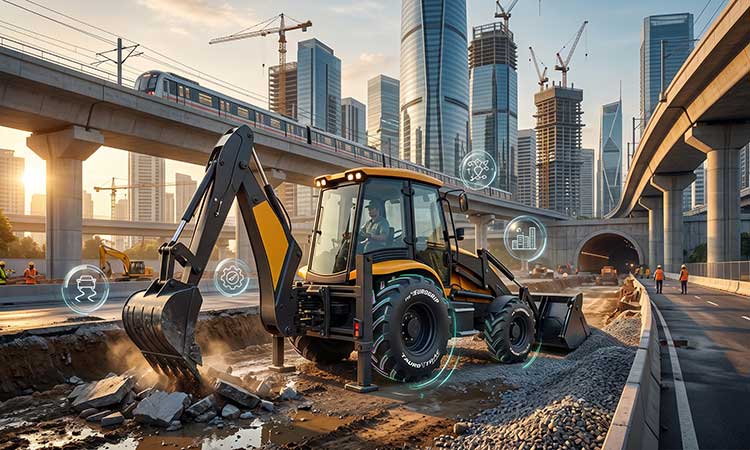
The backhoe loader is the ultimate multi-tool on any city project. It digs dirt, breaks concrete, and drives on paved roads. The TLB 504 is the perfect radial tyre for this versatile machine.
- Design Focus: It features advanced radial construction with a strong R-4 tread pattern.
- Why It Excels: Radial construction is the absolute secret to operator comfort. The flexible sidewalls absorb the violent shocks of driving over rough, broken concrete. This smooth ride stops operator fatigue, allowing the driver to work faster and more safely. The radial footprint also flattens out perfectly, providing massive grip when the backhoe needs to push a heavy pile of wet dirt.
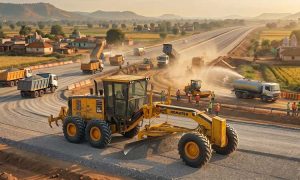
Before a site can become a building, the ground must be perfectly leveled. Motor graders do this precise work, and they require ultimate stability.
- Design Focus: The TG 09 is a heavy-duty L-2/G-2 tyre built specifically for graders and small loaders.
- Why It Excels: A grader must shave the dirt with millimeter precision. If the tyres bounce or slip sideways on loose gravel, the blade cuts unevenly, and the work must be redone. The TG 09 provides a rock-solid, stable footprint. It bites into the loose stone and holds the heavy machine perfectly steady, ensuring the operator achieves a perfectly flat surface on the very first pass.
Many urban projects require machines to drive out of a muddy pit and onto a clean, paved city street to transport supplies.
- Design Focus: The MT 63 HD (Heavy Duty) is a Multi-Purpose Tyre (MPT) designed for extreme versatility.
- Why It Excels: This tyre is a master of adaptation. The heavy-duty rubber blocks are aggressive enough to pull a machine out of sticky monsoon mud. However, the block arrangement is also designed to run smoothly and coolly when driving at higher speeds on hard asphalt. It prevents the rapid wear that usually destroys off-road tyres when they are forced to drive on city streets.
Wheel loaders and massive dozers clear the heaviest, sharpest debris from the site. They need ultimate armor against physical attacks.
- Design Focus: The BL 09 features a robust R-4 block pattern with a highly reinforced, thick nylon casing.
- Why It Excels: When a loader drives into a pile of smashed concrete and sharp steel rebar, standard tyres tear open instantly. The BL 09 uses a specially formulated, cut-resistant rubber compound. It acts as a heavy shield, bouncing sharp objects away from the internal casing. This tyre drastically reduces delays from sudden punctures, keeping your heaviest lifters moving all day.
When the Indian monsoons hit, the work site turns into a treacherous mud trap. You need a tyre built specifically to fight the rain.
- Design Focus: The RG 09 M features a specialized L-2/G-2 tread with massive, deep traction lugs and wide void spaces.
- Why It Excels: This tyre is designed to self-clean. As it rolls through deep, sticky clay, the wide spacing between the lugs forces mud to shoot out of the tyre. This ensures the tyre always has a clean, sharp rubber edge to bite into the earth. It provides the extreme pulling power necessary to rescue stuck equipment and keep the site active during the wettest months of the year.
Conclusion
Building modern infrastructure in India is a massive test of mechanical and human endurance. The environment is never perfect. You must constantly fight against changing ground, tight city spaces, and aggressive weather. The absolute true secret to maintaining high heavy equipment efficiency in construction sites is preparation and adaptation.
By equipping your versatile fleet with premium TVS Eurogrip OHT tyres, you provide the ultimate defense against the unpredictable earth. The advanced rubber compounds absorb violent shocks, grip slippery mud, and resist sharp urban debris. Choose TVS Eurogrip OHT today, protect your operators from exhaustion, and finish your massive city projects safely and profitably.
Frequently Asked Questions (FAQs)
What are the worst general conditions in construction for heavy machines?
The worst conditions involve sudden changes in the ground. Driving a heavy machine from soft, wet mud directly onto jagged, broken concrete creates massive stress on the axles, burns extra fuel, and shreds weak rubber tyres.
How does weather impact construction equipment productivity?
Extreme heat causes engines to overheat and turns the dirt into blinding dust that clogs filters. Heavy monsoon rain turns the site into a slick mud swamp, causing machines to spin their wheels and get permanently stuck in the trenches.
Why are construction workers' working conditions linked to machine speed?
If a machine bounces violently over rough terrain, the human operator becomes physically exhausted very quickly. An exhausted, uncomfortable driver makes mistakes, works much more slowly, and reduces the site’s daily production output.
How do TVS Eurogrip OHT tyres improve operator comfort?
Premium radial tyres, such as the TVS Eurogrip OHT TLB 504, feature flexible sidewalls. These flexible sides act as shock absorbers, absorbing the hard bumps of broken concrete so the violent shaking does not travel into the driver’s seat.
Why do I need a Multi-Purpose Tyre (MPT) for a city project?
City projects require machines to work in a dirt foundation pit and then drive on a paved highway to fetch supplies. An MPT tyre is specially designed to grip soft dirt safely while also driving smoothly on hard asphalt without wearing out quickly.